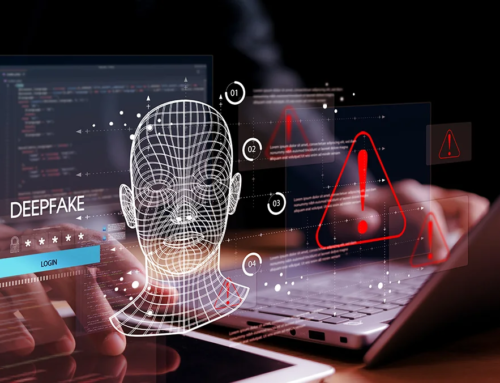
A finance worker transferred $25 million after joining a video call with what he believed was his company’s CFO. Today, 1 in 10 executives say their companies have already faced deepfake or AI-driven impersonation threats.
At the same time, Juniper Research shows the global digital identity market is to exceed $80 billion by 2030, driven not just by digital adoption and stricter regulations but the actual reason lies with rising fraud, compliance pressure, and the growing cost of getting verification wrong.
Leaders now facing a new reality ; identity can now be forged in ways no KYC or biometrics system was designed to detect. AI can generate synthetic faces in seconds. Deepfakes can mimic executives. Tools can fabricate documents that look more “authentic” than real ones. At the same time, regulators worldwide are tightening standards, demanding explainability, transparency, and multi-layered protection.
This blog breaks down the major shifts in identity verification over the next five years, what leaders need to prepare for. You’ll learn how technology is evolving, why current methods are failing and how organisations can stay compliant & competitive starting with one simple idea: getting identity right from the very first step.
Why Current Verification Methods Are Reaching Their Limits
At present, digital identity verification follows a familiar pattern: upload document → selfie → liveness check → approved. This approach worked reasonably well when fraud techniques were simpler and user expectations were lower and regulators weren’t demanding deep transparency.
That era is ending. How ?
- Deepfake is outpacing existing checks: Gartner predicts that by 2026, 30% of enterprises will no longer trust identity verification solutions that rely only on face biometrics, because current systems don’t reliably detect injection attacks (like deepfakes) using standard liveness checks.
- Surging synthetic identity fraud (fake personas+AI-generated documents):
- 300% spike in synthetic identity document fraud in the U.S.
- 1100% rise in deepfake-driven impersonation
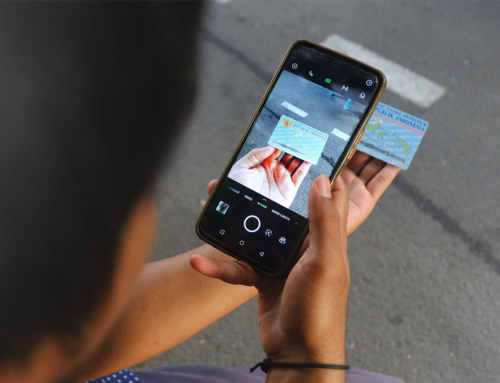
Criminals use AI tools to generate fake identity documents such as driver’s licenses or passports. These synthetic identity documents are often realistic enough to bypass basic KYC checks.
3. Regulatory bar has been raised: New frameworks like the EU Digital Identity Regulation, revised AML directives, and emerging requirements under the EU AI Act demand capabilities such as:
- injection-attack detection (explained below)
- transparent testing
- explainable AI
- documented accuracy and auditability
Most existing systems were never designed for this level of assurance. And, these are not temporary challenges. They signal a permanent shift that demands fundamental restructuring , not small upgrades.
Major Changes Reshaping Identity Verification
1. Advanced Fraud Detection Against AI-Powered Attacks
KYC-Chain reports deepfake attacks have grown by more than 2000 % in three years and now account for about one in 15 identity‑fraud attempts.
Modern attacks come in two flavours:
- Presentation attacks, where fraudsters present fake artefacts (e.g., masks, printed photos, replay videos) to the camera.
- Injection attacks, where AI‑generated streams are fed directly into the verification pipeline, bypassing the camera entirely
To counter these, IDV systems will need below capabilities:
Injection‑Attack Detection (IAD) detects and blocks synthetic biometric streams before they enter the verification pipeline. The ISO/IEC 25456 standard for injection‑attack detection is currently under development and will define requirements for certification. A recent update from BiometricUpdate confirms that ISO is actively preparing this standard to help organisations certify that their biometric systems can withstand AI-generated injection attacks and synthetic media.
Deepfake & face‑morph analysis. AI models must inspect texture, blending artefacts and micro‑patterns to distinguish between real faces and synthetic or morphed ones. The EU AI Act and ENISA both class remote biometric verification as high‑risk and require vendors to demonstrate robust anti‑deepfake protections.
2. Behavioural Biometrics Will Become Core Defence Against Scams
While advanced fraud systems focus on detecting fake media, behavioral biometrics focus on detecting fake behaviour.
A new report from Juniper Research predicts that identity systems will increasingly use behavioural signals like how a person types, moves their finger on a screen, or interacts with their device to spot fraud earlier. These patterns are extremely difficult for criminals or AI bots to copy.
Instead of relying only on documents or selfies, IDV platforms will analyse “how” a user behaves in real time. If the behaviour feels unusual or inconsistent, the system can flag it immediately. The big advantage: this happens quietly in the background, without disrupting the customer experience.
3. Digital Identity Wallets Change the Verification Model
The EU Digital Identity (EUDI) wallet, introduced under eIDAS 2.0, will fundamentally alter how identities are verified. Member states must provide at least one wallet to citizens and businesses by 2026. The wallet lets individuals store digital credentials like IDs, diplomas, professional certificates, health records and share only the minimum data needed for a transaction. This “verify once, reuse many times” approach reduces data exposure, accelerates onboarding and improves cross‑border interoperability.
From a business perspective, companies will need to support wallet‑based onboarding and ensure that their IDV systems can accept and verify wallet credentials. For regulators, the wallet model raises new expectations around privacy, cryptographic verification and user consent.
4. Global Regulations Will Tighten, Making Testing, Transparency, and AI Governance Mandatory
A recent Juniper Research study shows AML spending will exceed $75 billion by 2030, driven by complex regulatory regimes demanding explainable AI, stronger monitoring, and auditable workflows. This same pressure will extend to IDV, forcing vendors to provide certified performance reports, transparent model testing, and end-to-end fraud-detection visibility.
A few stated above and some other important rules & standards below, will shape identity verification in the next five years.
- ISO 30107-3 (Presentation Attack Detection) defines requirements for detecting spoofing attacks (e.g., masks, printed photos, replay attacks)
- NIST SP 800-63B (US) reinforces the need for liveness detection, multi-factor identity proofing, and risk-based authentication for digital identity systems.
Amani’s View: Building Trust, From the First Step
In the next five years, trust will be the hardest currency. The question isn’t whether your verification system works, it’s whether it can still be trusted.”
Leaders & organisations today are:
- juggling multiple vendors
- dealing with legacy tools missing AI protections
- facing rising abandonment
- wasting resources on manual reviews
These aren’t operational inefficiencies, they’re trust failures.
Our Approach : No two organisations verify identity the same way.
Amani has a simple philosophy: “No two organisations verify identity the same way”, and that’s why we don’t believe in one-size-fits-all verification.
We are Compliance-graded, ISO-aligned, and adaptable to your risk model, your workflows, and your regulatory environment.
Whether it’s:
- AI-driven fraud detection
- biometric security
- behavioural analytics
- AML screening
- or identity wallet verification
Amani brings everything together into one unified, secure platform.
Preparing for the Next Five Years
As we know now, the future of identity verification will be defined by:
- advanced fraud threats
- tighter global regulations
- wallet-based identity
- and multi-layered risk scoring
Our commitment is to help organisations stay ahead of these changes. We invest deeply in research, standards, and product innovation. Because when we prepare together and build together, trust becomes stronger, onboarding becomes seamless, and fraud becomes weaker.
Explore how our proprietary end-to-end IDV platform helps you stay ahead of the next wave of identity.
Amani. Brighter identity. Smarter systems. Trust built in.
Learn more → Contact Us